Sustainable development jobs at the United Nations
UN sustainable development officers connect policy, evidence and coordination across the economic, social and environmental dimensions of the SDGs.
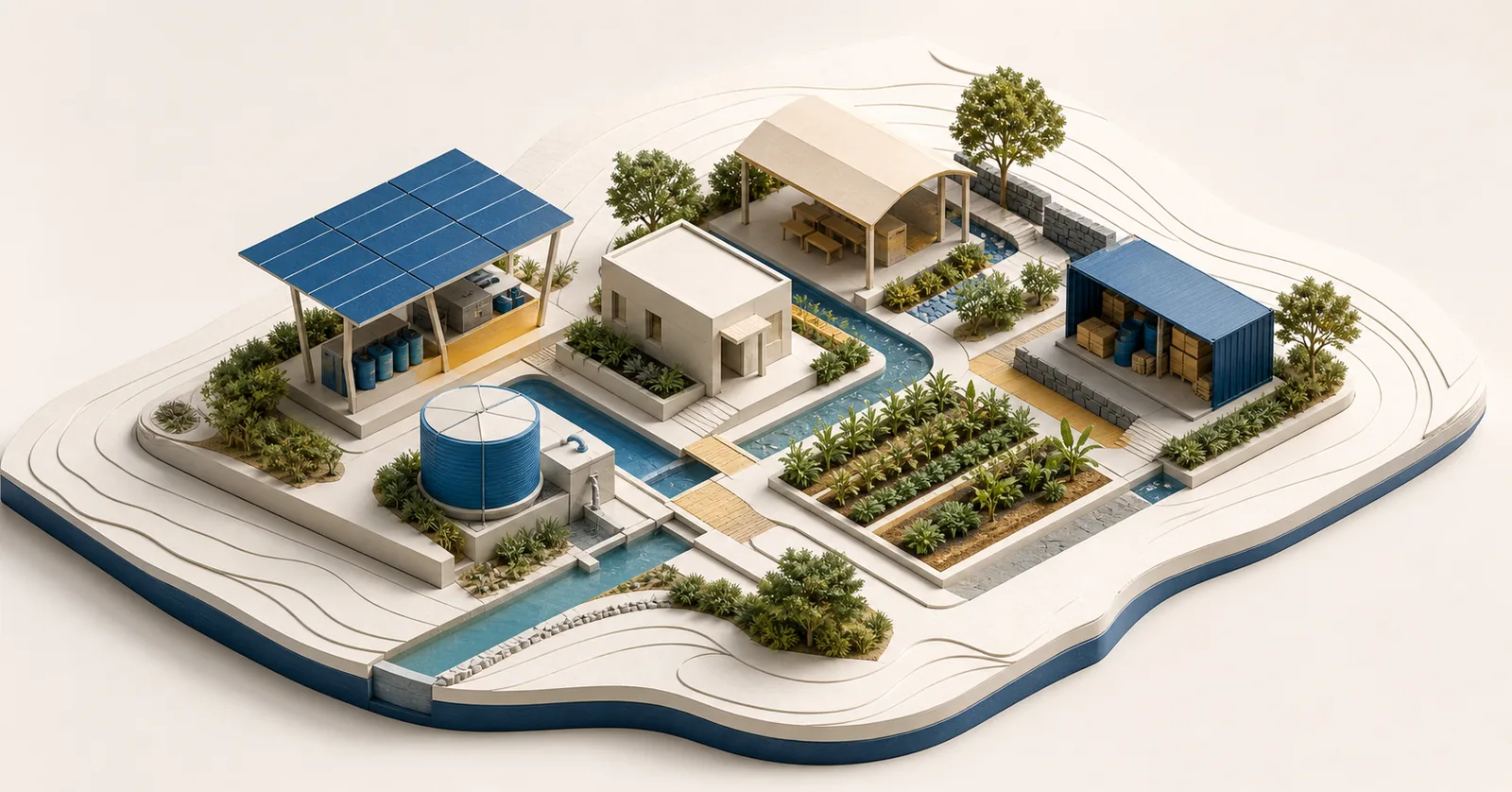
Sustainable Development is a formal job family in the UN Careers Economic, Social and Development job network. Its officers work across the economic, social and environmental dimensions of development rather than treating the Sustainable Development Goals as seventeen separate projects.
Not every vacancy mentioning the SDGs belongs to this family. The formal Job Family and the principal duties in the notice determine the classification.
Titles and grades
Associate Sustainable Development Officer appears at P-2. Sustainable Development Officer is used at P-3 and P-4. P-4 vacancies may also use Inter-Regional Adviser or a functional subtitle. P-5 roles commonly use Senior Sustainable Development Officer, Senior Adviser or Chief of Section, while Directors lead larger offices or divisions.
Titles do not fix grade: a P-4 may be a specialist or coordination lead, and a P-5 adviser may supervise few staff. Use the Category and Level. Locally recruited categories follow separate rules, while consultants are not staff.
DESA and intergovernmental work
DESA’s Division for Sustainable Development Goals in New York serves as global secretariat for the SDGs and supports the High-level Political Forum. Officers analyse interactions among goals, draft reports, advise governments and support intergovernmental processes, sometimes on water, energy, oceans or Small Island Developing States.
Staff provide analysis and options; Member States negotiate and decide. Applicants should not claim authorship of government-adopted outcomes.
Regional commissions
The five regional commissions connect the global agenda with regional priorities. ECA is based in Addis Ababa, ECE in Geneva, ECLAC in Santiago, ESCAP in Bangkok and ESCWA in Beirut.
Officers may prepare regional reviews, analyse cross-border issues and support forums or technical cooperation. Similar titles can be classified differently. An ECLAC vacancy appeared under Environmental Affairs, so verify the formal Job Family.
Resident Coordinator system
The Resident Coordinator is the highest-ranking representative of the UN development system at country level and leads the UN country team. The Development Coordination Office supports and manages the Resident Coordinator system and serves as secretariat of the UN Sustainable Development Group.
DCO and Resident Coordinator Office roles may support country analysis, Cooperation Frameworks, financing, partnerships, data or agency coordination. This is not direct delivery: country-team entities remain responsible for their programmes. Evidence should show a collective decision or reduced gap, not merely meetings.
Boundaries with related families
Programme Management centres on delivery, budgets and reporting; Sustainable Development often centres on integrated policy or coordination. Economic Affairs focuses on economic analysis, even though some listings use Economic Affairs (and Sustainable Development). Environmental Affairs centres on environmental policy, science or operations.
The subjects overlap, but classification follows the main function. Mentioning the SDGs does not change it.
Education, experience and languages
Professional posts normally require an advanced degree in sustainable development, economics, social sciences, environmental studies, public policy, public administration or another relevant field. A first-level degree with additional qualifying experience may be accepted when stated.
Experience requirements rise with grade and often include a subset in integrated policy, SDG implementation, intergovernmental work, development coordination, technical cooperation or a thematic field. Generic project experience may not satisfy an integrated-policy requirement.
Secretariat vacancies commonly require fluency in English or French. Regional and country roles may require or prefer another official UN or local language.
Contracts and assessment
Posts may be fixed-term, temporary or project-funded. Assessment may test policy integration or trade-offs.
Application evidence
Integrated-policy evidence should name the competing objectives. Explain, for example, how an energy option affected affordability, emissions and public finance; identify the data and the recommendation made.
For coordination, state which entities were involved, what was fragmented and what collective decision changed. For a Cooperation Framework or country analysis, distinguish your contribution from government ownership and final UN approval.
For intergovernmental work, identify the body, document and procedural role. Drafting background material differs from negotiating as a Member State delegate.
Technical-cooperation evidence should describe the counterpart, capacity gap and institutional change. Workshops and toolkits are outputs; continued use in planning, budgeting or reporting is stronger evidence.
Senior applicants should show how they handled trade-offs, reviewed evidence, advised leadership and kept several organizations aligned without claiming authority they did not possess. The most credible examples make integration concrete.
Official references: UN Sustainable Development Goals; UN regional commissions; Resident Coordinator system; P-2 Sustainable Development example; P-3 DESA example; P-5 DESA example; P-5 RC system example.